
All Articles

The server does not need the password.
OPAQUE lets a client and server establish a mutually authenticated key without disclosing the password to the server. Registration, recovery and server-key custody still define the system’s real boundary.

The signature is ordinary. The ceremony is not.
FROST turns distributed authority into one ordinary Schnorr signature. The difficult security work remains in share generation, nonce state, participant coordination and recovery.
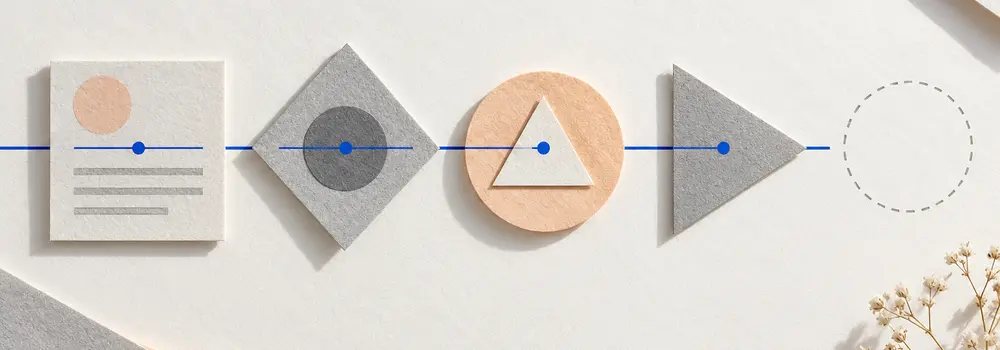
The statement must enter the hash.
A zero-knowledge proof can verify correctly while authorizing the wrong statement. Fiat-Shamir security begins with the exact public instance, transcript order and domain separation absorbed by the hash.
Selective disclosure is not unlinkability.
BBS signatures support selective disclosure and randomized derived proofs. Unlinkability still depends on disclosed values, proof context, revocation and the surrounding protocol.
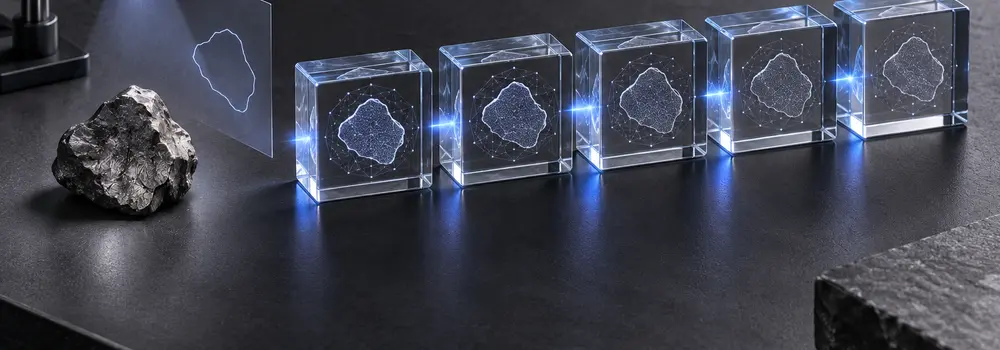
A blockchain can preserve a claim. It cannot make it true.
Hashes, signatures and consensus can preserve an ordered claim. They cannot establish the external truth, authority or intent behind it.
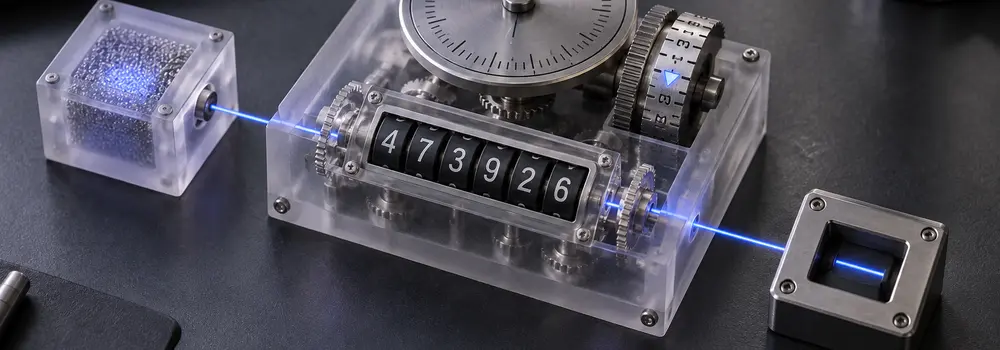
Six digits are not the authentication ceremony.
An OTP output is short and temporary. Its real security depends on seed custody, moving-factor state, verification policy, session binding and recovery.
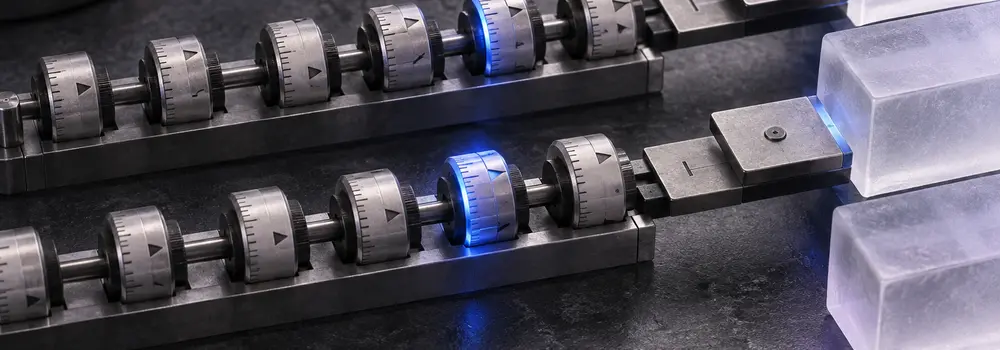
A nonce is not a footnote.
A secure cipher can fail when nonce state does not survive writers, restarts and rollbacks. Uniqueness is a property of the operating system around the primitive.
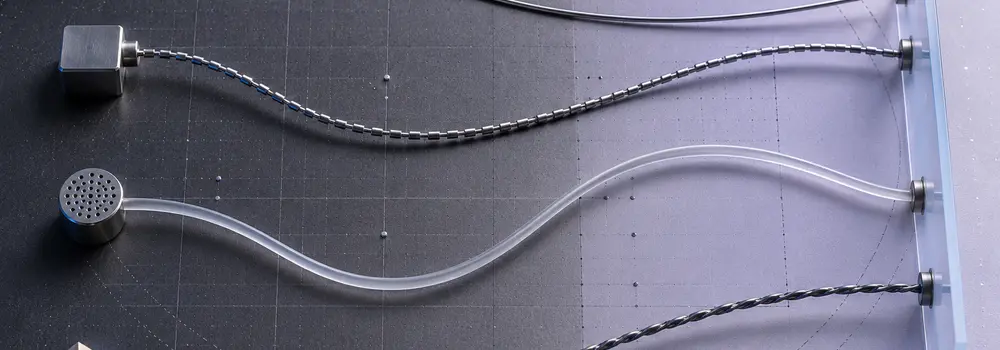
The curve is only part of the choice.
P-256, secp256k1, Ed25519 and X25519 name different layers, purposes and ecosystems. Selecting a curve never selects the complete construction.
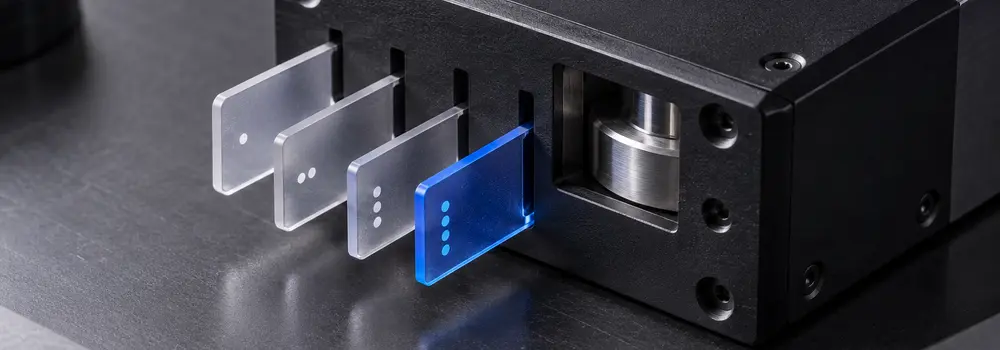
The handle is not the key.
PKCS #11 gives applications a common view of cryptographic devices. The key’s policy, lifecycle and operational meaning still depend on what lies behind the handle.