
*_ARTICLES
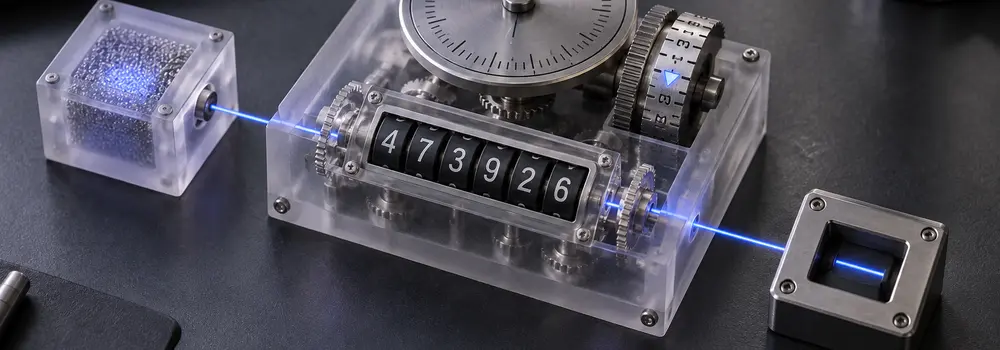
Six digits are not the authentication ceremony.
An OTP output is short and temporary. Its real security depends on seed custody, moving-factor state, verification policy, session binding and recovery.

A nonce is not a footnote.
A secure cipher can fail when nonce state does not survive writers, restarts and rollbacks. Uniqueness is a property of the operating system around the primitive.
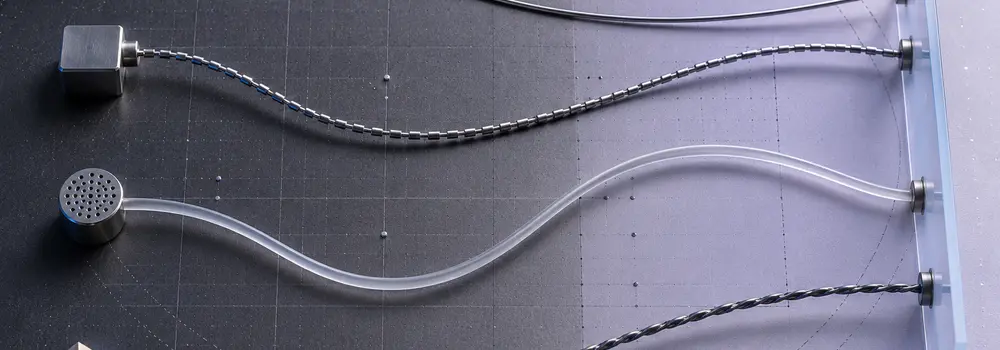
The curve is only part of the choice.
P-256, secp256k1, Ed25519 and X25519 name different layers, purposes and ecosystems. Selecting a curve never selects the complete construction.
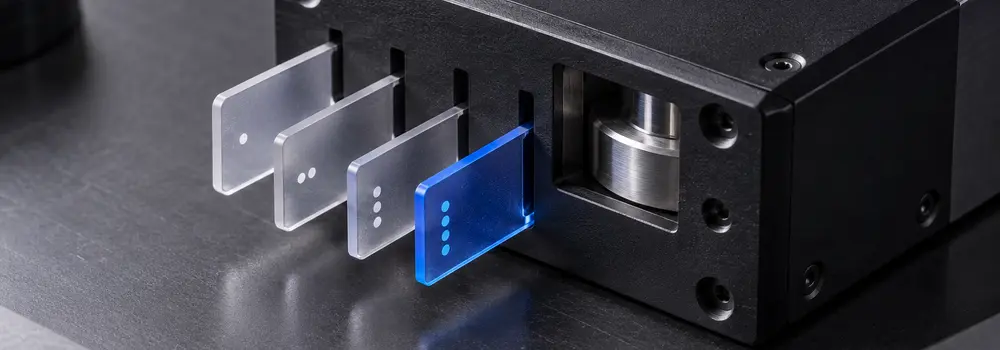
The handle is not the key.
PKCS #11 gives applications a common view of cryptographic devices. The key’s policy, lifecycle and operational meaning still depend on what lies behind the handle.
Toward an open cryptographic workbench.
Cryptographic tools explain algorithms, transform data and visualise workflows. A protocol workbench could connect those strengths while keeping exact bytes visible.

What post-quantum migration costs at the edge.
Post-quantum algorithms change the size and shape of protocols. At the edge, bytes, memory, latency and update paths become part of the cryptographic decision.
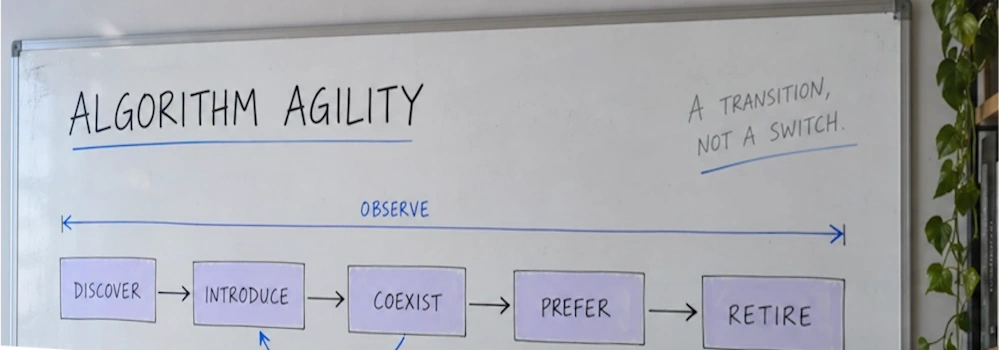
Algorithm agility is an operational property.
Supporting a second algorithm is easy. Moving a running system from one cryptographic regime to another is the real test of agility.
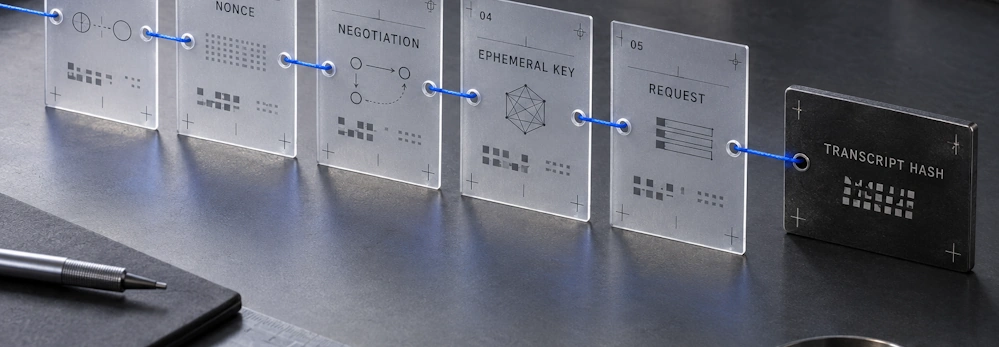
The transcript is the protocol.
A secure session depends on more than fresh keys. The negotiation, participants and intended operation must be bound to the same cryptographic result.

Signatures are over bytes, not meaning.
Two messages can express the same data and still produce different signatures. Verification begins with the exact bytes a protocol chooses to protect.