
// In Practice
Selected work in context.
Applied notes on cryptographic transition, key architecture and constrained systems, with the operational assumptions kept visible.
// Field implementations
Applied work and operational lessons.
Cryptographic mechanisms considered as parts of live systems rather than isolated primitives.
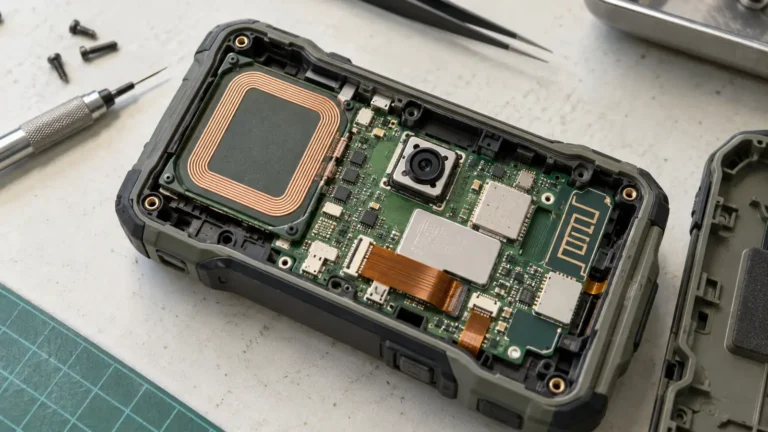
The payload must fit the channel.
A compact signed object needs one deterministic binary form and three explicit transport profiles. QR, NFC and Bluetooth LE fail in different ways when signature and key material cross their…

A selective proof is not automatically smaller.
When attributes require independent signatures, BBS can replace N signatures with one multi-message signature, but its selective-disclosure proof grows with every hidden message. The useful crossover depends on what the…
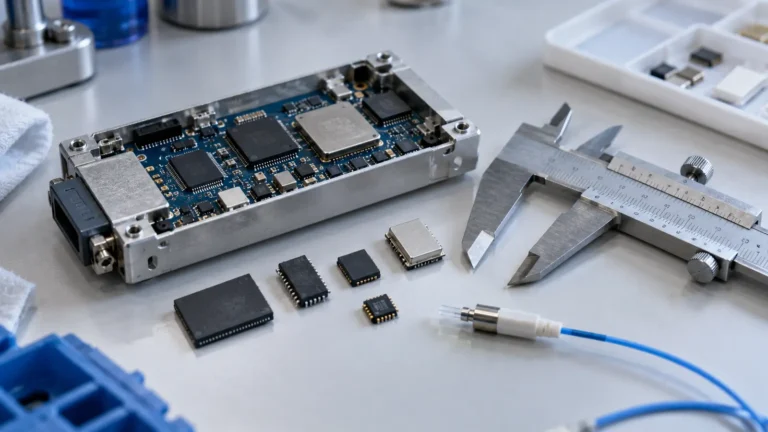
The signature is not the key.
A byte-level comparison of RSA, elliptic-curve, pairing-based and post-quantum signatures shows when recurring signature traffic overtakes key provisioning and storage.

A secure key cannot make a photographed QR fresh.
Hardware-backed signing can prove which mobile key produced an offline QR. It cannot, by itself, prove that the image was created for this verifier, this place or this moment.
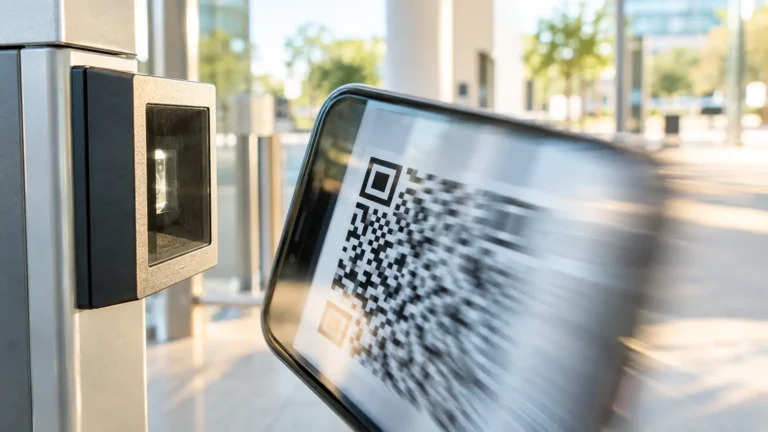
Three hundred milliseconds is an operating envelope.
Encrypted QR decoding is governed less by cipher choice than by symbol density, module sampling, optics, motion, exposure and the scanner pipeline. A byte budget and a declared test envelope…
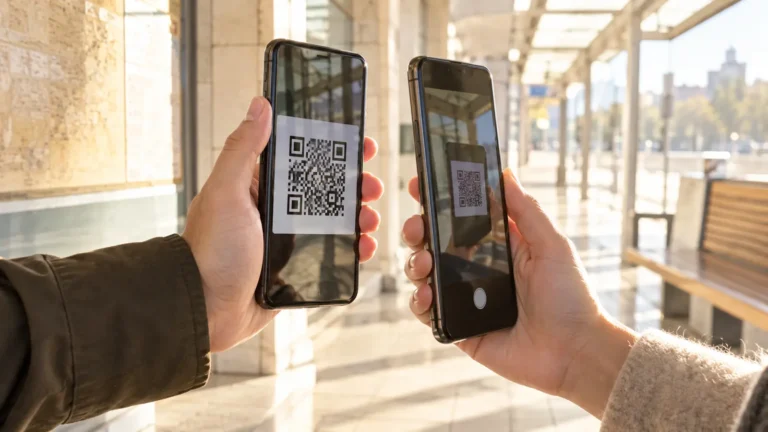
A one-way QR can establish a key, but not a conversation.
An ephemeral X25519 key can protect an offline QR for a pre-provisioned verifier, but freshness, replay resistance and sender authentication still require explicit protocol state.

Putting the trust boundary beside the reader.
A SAM can keep master keys out of reader firmware and perform card protocols locally. The security result still depends on permissions, host integration and lifecycle.
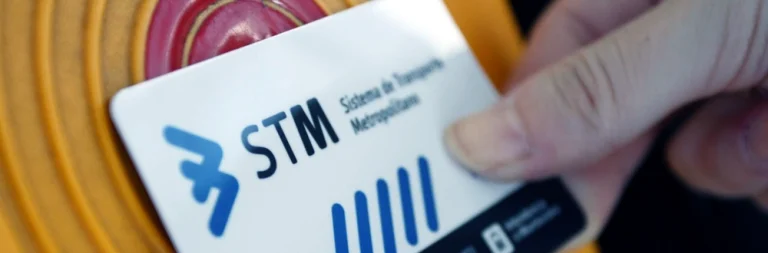
A card migration is a state machine.
Moving a live fare system from MIFARE Classic to MIFARE Plus is not a card replacement exercise. It is a controlled transition across credentials, readers, keys and operational states.
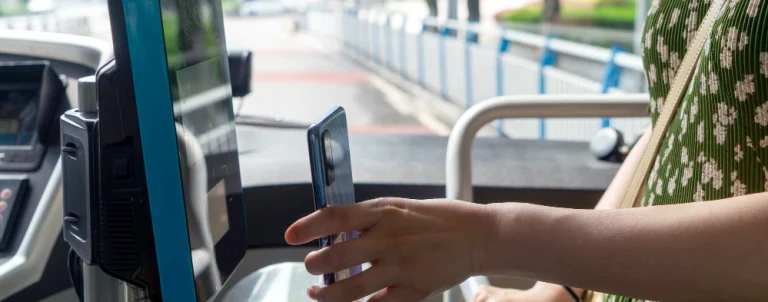
Designing a fare token for intermittent connectivity.
When balance and fare rules remain in a central account, a QR code is not the ticket. It is a compact claim whose meaning depends on connectivity, trust and replay…

The SIM as a cryptographic computer.
Long before the secure element became a general platform, SIM and UICC applets provided a small governed environment for keys, authentication and digital signatures.

The token is the easy part.
A token can replace a sensitive value. The difficult work is defining what the replacement means, who may reverse it and how the system behaves over time.

Keys without a secure boundary.
When cryptographic operations must run without an HSM, software can reduce the exposure of key material—but it cannot make a hostile host trustworthy.
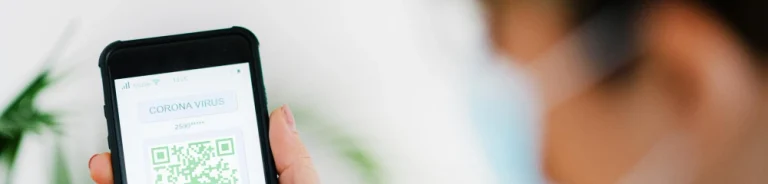
When a QR code was not a format.
During the pandemic, visually similar QR codes carried incompatible data models, encodings and trust assumptions. A contribution from Uruguay to PathCheck’s Universal Verifier made that fragmentation tangible.